Master Coq au Vin: Secrets for a Succulent French Stew
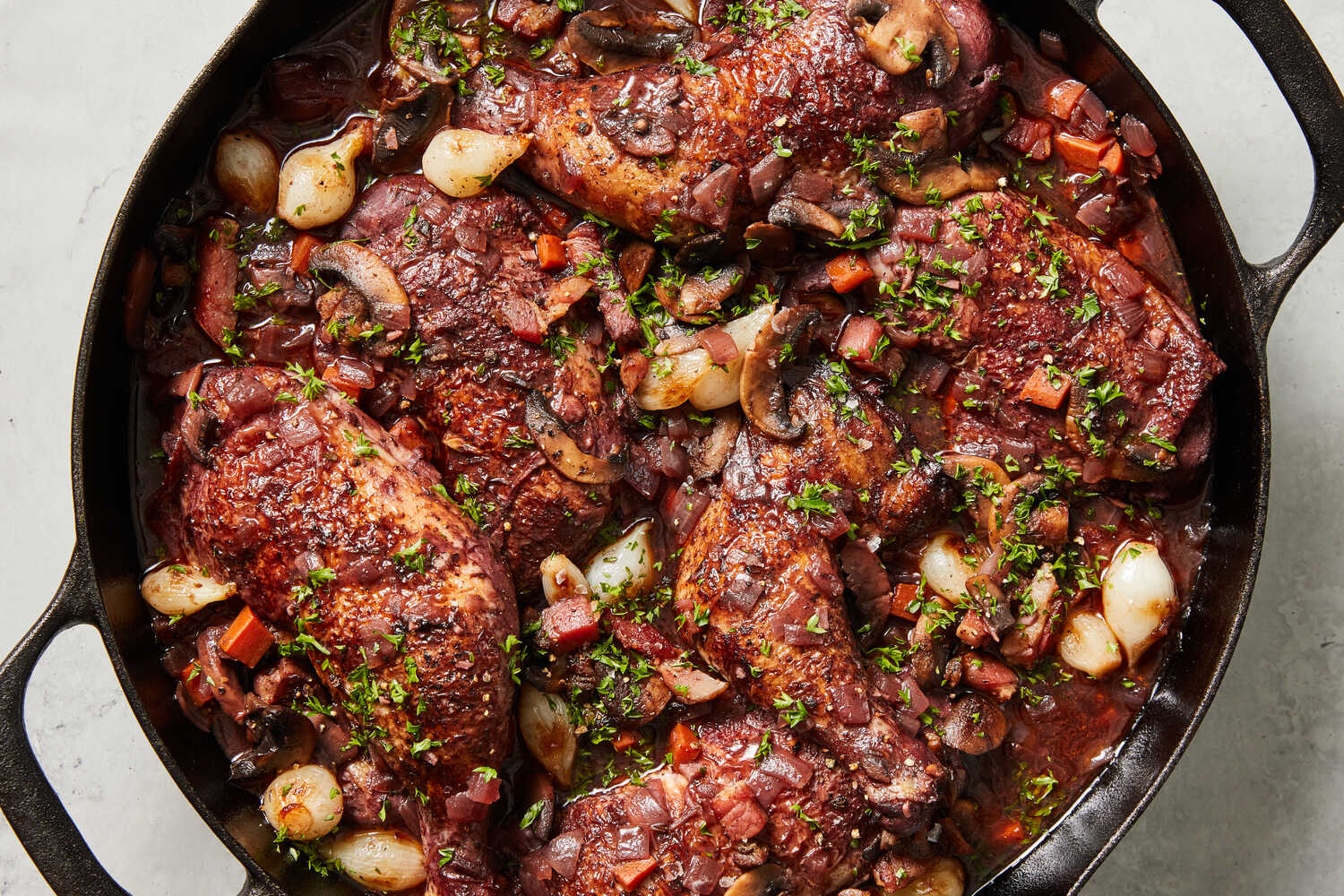
Coq au Vin, a dish synonymous with the rustic elegance of French cuisine, transcends a mere chicken stew. It's a culinary journey, a symphony of rich flavors born from the slow marriage of tender chicken, robust red wine, smoky bacon, earthy mushrooms, and sweet pearl onions. Often perceived as a complex undertaking, mastering Coq au Vin is surprisingly achievable with the right techniques and a little patience. This article will unlock the secrets to creating a truly succulent Coq au Vin, transforming your kitchen into a Parisian bistro and earning you rave reviews from delighted guests.
What Makes Coq au Vin a Culinary Masterpiece?
At its heart, Coq au Vin is a classic French stew where chicken is lovingly braised in red wine. The magic lies in this slow cooking process, which not only tenderizes the meat to perfection but also allows the complex notes of the wine to permeate every fiber, creating an unparalleled depth of flavor in the sauce. It’s more than just a meal; it's an experience, a celebration of traditional French cooking that yields a supremely rich and comforting dish.
The true character of a great Coq au Vin is built upon a foundation of key ingredients. While the star is undoubtedly the chicken, the supporting cast plays an equally crucial role. A good quality red wine, preferably one you'd enjoy drinking, is non-negotiable, often enhanced by a splash of brandy or Cognac for an extra layer of richness and aromatic complexity.
Beyond the liquid base, the dish truly shines with its signature aromatics and textures. Crisp bits of rendered bacon, often cut into lardons, provide a savory, smoky foundation and essential fat for browning. Burnished pearl onions add a sweet, delicate counterpoint, while sautéed mushrooms contribute an earthy depth. Aromatic herbs like thyme and bay leaf further infuse the stew, culminating in a sauce that is both hearty and incredibly refined. Historically, "coq" refers to a rooster, known for its tougher meat, necessitating the long braising time. Modern recipes, however, typically use younger, more readily available chickens, which nonetheless benefit immensely from the slow braise to achieve maximum tenderness and flavor.
The Art of Achieving Succulent Chicken and a Rich Sauce
The journey to a perfect Coq au Vin is all about building flavors in stages and understanding how each component contributes to the final masterpiece.
Choosing Your Chicken Wisely
One of the most crucial decisions for a truly succulent Coq au Vin lies in your choice of chicken. While traditional recipes often call for a whole cut-up chicken, many modern cooks opt for
all dark meat – a choice that guarantees a consistently succulent dish. Dark meat, such as thighs and drumsticks, is more forgiving and less prone to drying out during the long braising process. If you prefer to use a whole cut-up bird, a clever trick is to add the breast pieces in the last 30 minutes of simmering. This prevents the leaner white meat from overcooking and becoming tough, ensuring every piece of chicken is tender and juicy. Regardless of your choice, always pat the chicken pieces thoroughly dry with paper towels before cooking. This simple step is vital for achieving a beautiful, golden-brown sear, which locks in flavor and contributes to a richer sauce through the Maillard reaction.
Building Layers of Flavor
The depth of flavor in Coq au Vin doesn't just happen; it's meticulously built through a sequence of steps.
1.
Start with Bacon: Begin by cooking diced bacon (lardons) in a large Dutch oven or heavy-bottomed pot. Cook it over medium heat until the bacon is lightly browned and crispy, rendering out its delicious fat. Remove the bacon to a plate, leaving the flavorful fat in the pot. This bacon fat will be your initial cooking medium.
2.
Brown the Chicken: In batches, brown the seasoned chicken pieces in the rendered bacon fat. Ensure they are in a single layer to avoid overcrowding, allowing each piece to develop a rich, golden crust. This browning step is crucial for flavor development. Remove the browned chicken to the plate with the bacon.
3.
Sauté Aromatics: Add chopped carrots, onions, and a pinch of salt and pepper to the pot. Cook until the onions are lightly browned, stirring occasionally. This creates a sweet and savory base. Add minced garlic for the final minute of cooking, infusing the pot with its pungent aroma.
4.
Deglaze with Cognac/Brandy: A critical step for depth! Pour in a good splash of Cognac or brandy. Allow it to simmer briefly, scraping up any browned bits from the bottom of the pot with a wooden spoon. These "fond" bits are packed with flavor. Return the bacon, chicken, and any accumulated juices to the pot.
5.
Add Wine and Stock: Pour in your chosen red wine (a Pinot Noir, Burgundy, or a good Côtes du Rhône works beautifully) and chicken stock. Add a few sprigs of fresh thyme. Bring the mixture to a gentle simmer on the stovetop before covering the pot with a tight-fitting lid.
The Magic of Slow Braising
With your ingredients assembled and flavors layered, the stew is ready for its transformation. Place the covered Dutch oven into a preheated oven, typically around 250°F (120°C). This low, slow braising is where the magic truly happens. Over 30-40 minutes (or longer for tougher cuts), the gentle, even heat of the oven tenderizes the chicken, allowing the wine, herbs, and aromatics to meld into a profoundly rich and complex sauce. The Dutch oven's heavy construction and tight-fitting lid ensure even heat distribution and prevent moisture loss, crucial for keeping the chicken moist and the sauce concentrated.
Essential Finishing Touches and Serving Secrets
The final steps are just as important as the initial ones in creating a restaurant-worthy Coq au Vin.
Perfecting the Sauce
Once the chicken is cooked through and tender, remove the pot from the oven and place it back on the stovetop. To achieve that classic, glossy consistency, you'll need to thicken the sauce. A traditional method involves making a
beurre manié: mash equal parts softened butter and flour together into a paste, then whisk small pieces into the simmering stew. This will gently thicken the sauce to a luxurious, velvety texture. Taste and adjust the seasoning with salt and pepper, balancing the richness with a touch of acidity if needed.
The Garnishes That Elevate
No Coq au Vin is complete without its signature garnishes. While the stew braises, prepare your pearl onions and mushrooms. Frozen pearl onions can be added directly to the stew during the final simmering stage. For the mushrooms, sauté them separately in a medium pan with a knob of butter until they are beautifully browned and tender. This ensures they retain their texture and distinct earthy flavor, rather than becoming soft and watery if added too early.
For a delightful textural contrast, consider adding buttery croutons as a garnish. They provide a lovely crunch alongside the soft, simmered meat and vegetables, elevating the dish from hearty stew to elegant main course. While optional, they truly enhance the overall experience.
The Secret to Dinner Party Success
One of the most remarkable qualities of Coq au Vin is that it actually tastes even better the next day. This makes it an absolutely ideal dish for entertaining, as you can prepare the entire recipe in advance. The extra time allows the flavors to deepen and meld, resulting in an even more harmonious and complex stew. Simply gently reheat it on the stovetop as your guests arrive. For more detailed tips on making this dish ahead for your next gathering, be sure to read our guide on
Make-Ahead Coq au Vin: Your Perfect Dinner Party Dish.
Serve your exquisite Coq au Vin hot, perhaps with a crusty baguette for dunking into the rich sauce – a truly essential accompaniment. Creamy mashed potatoes or simple buttered noodles are also excellent choices for soaking up every drop, and a fresh green salad with a light vinaigrette offers a refreshing counterpoint to the stew's richness.
Tips for Coq au Vin Perfection
To truly master this classic, keep these actionable tips in mind:
*
Choose Your Wine Wisely: Don't use cooking wine. Select a dry red wine you would genuinely enjoy drinking, such as a good Pinot Noir, Burgundy, or Côtes du Rhône. The quality of the wine directly impacts the flavor of your sauce.
*
Pat Dry, Always: Thoroughly patting the chicken dry is non-negotiable for achieving that crucial golden-brown sear and developing rich flavor.
*
Don't Overcrowd the Pan: When browning the chicken, work in batches if necessary. Overcrowding lowers the pan's temperature and steams the chicken instead of browning it, preventing a delicious crust from forming.
*
Deglaze Properly: That crusty "fond" at the bottom of the pan after browning is pure flavor. Use the brandy and then the wine to scrape it up; it's essential for a deeply flavored sauce.
*
Taste and Adjust: Seasoning is not a one-time event. Taste your stew throughout the cooking process, and especially before serving, to adjust salt, pepper, and perhaps a touch of acidity if needed.
*
Embrace the Dutch Oven: A heavy, oven-safe Dutch oven with a tight-fitting lid is your best friend for slow braising. It distributes heat evenly and retains moisture beautifully.
*
Don't Rush It: Patience is a virtue in Coq au Vin. Slow braising is key to tender meat and a fully developed flavor profile.
*
Consider Freezing: Coq au Vin freezes exceptionally well, making it a fantastic meal prep option for busy weeks.
For an even deeper dive into the definitive preparation of this cherished French classic, explore our comprehensive guide,
Coq au Vin: Classic French Braised Chicken with Wine & Bacon.
Mastering Coq au Vin is an incredibly rewarding culinary endeavor. It's a dish that embodies the heart and soul of French cooking – sophisticated yet comforting, impressive yet approachable. By understanding the critical steps, from selecting the right chicken to building layers of flavor and embracing the magic of slow braising, you can confidently create a succulent, rich, and unforgettable Coq au Vin that will impress even the most discerning palates. So, gather your ingredients, uncork a bottle of your favorite red, and embark on this delicious journey to French culinary excellence.