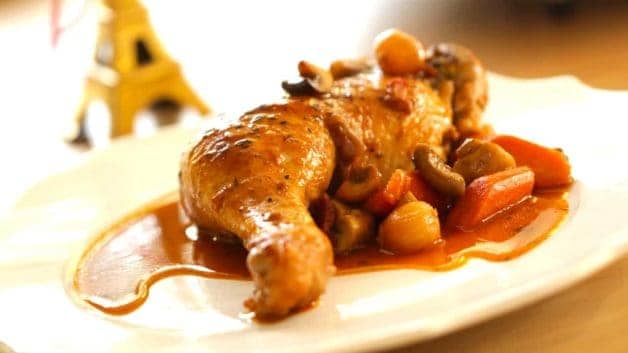
Make-Ahead Coq au Vin: Your Perfect Dinner Party Dish
Imagine this: your guests arrive, the air fills with laughter, and from your kitchen wafts the tantalizing aroma of a rich, savory stew. The best part? You're relaxed, glass in hand, because dinner is already perfectly cooked and simply awaiting its moment to shine. This isn't a fantasy; it's the magic of Coq au Vin. This classic French dish, often perceived as an elaborate culinary feat, is in fact the ultimate make-ahead masterpiece, tasting even better the day after it's prepared. It’s a hearty, impressive stew that delivers profound flavors and tender textures, making it an unrivaled choice for any dinner party or special gathering.
The Enduring Allure of Coq au Vin
Originating from the Burgundy region of France, Coq au Vin (literally "rooster with wine") has evolved from a rustic peasant dish into a celebrated gourmet staple. It’s a testament to the power of slow cooking, where simple ingredients are transformed into something truly extraordinary. At its heart, Coq au Vin is about chicken – traditionally a rooster, though modern recipes often use more readily available cuts – slowly braised in a robust red wine, often with a hint of brandy. This low and slow cooking process allows the flavors to meld beautifully, creating a sauce that is deeply complex and exquisitely rich.
Beyond the tender chicken, a proper Coq au Vin is a symphony of complementary textures and tastes. Crisp bits of rendered bacon, earthy mushrooms, and sweet, burnished pearl onions are all integral components, contributing layers of deliciousness to every bite. The result is a supremely satisfying and comforting meal that feels both sophisticated and utterly approachable. It's this combination of rich flavor, tender meat, and elegant presentation that makes Coq au Vin stand out from your average chicken recipe.
Why Coq au Vin is Your Ultimate Dinner Party Secret Weapon
While many dishes demand your attention right up until serving, Coq au Vin offers a unique advantage: it thrives on being prepared in advance. This characteristic alone elevates it to hero status for hosts who prefer to enjoy their own parties. Here’s why Coq au Vin should be your go-to for entertaining:
- Enhanced Flavor Profile: Like many stews and braised dishes, Coq au Vin benefits immensely from a day of rest. As it cools and then reheats, the ingredients have more time to intermingle and develop, allowing the nuanced flavors of the wine, herbs, bacon, and vegetables to deepen and harmonize. The sauce becomes even richer, and the chicken becomes more infused with the braising liquid.
- Stress-Free Hosting: Imagine greeting your guests without being tethered to the stove. With Coq au Vin, the bulk of the cooking is done the day before. On the day of your party, all that's left is a gentle reheat, perhaps a quick garnish, and you're ready to serve. This frees you up to socialize, set the table beautifully, and truly enjoy your own event.
- Impressive Presentation: Despite its humble origins, a beautifully plated Coq au Vin looks incredibly impressive. The deep, burnished hues of the sauce, the plump mushrooms, and the glistening pearl onions create a visual feast that signals a truly special meal.
- Hearty and Comforting: Perfect for a chilly evening or any occasion that calls for a substantial, soul-warming meal, Coq au Vin is inherently satisfying. It’s a dish that makes everyone feel nourished and content.
The Anatomy of a Perfect Make-Ahead Coq au Vin
Crafting an unforgettable Coq au Vin involves understanding the role of each key ingredient and embracing the slow-cooking process. For a truly succulent result, especially for a make-ahead dish, focusing on dark meat chicken is a wise choice. While traditional recipes call for a whole cut-up bird, using all dark meat – such as thighs and drumsticks – ensures a consistently tender dish without the risk of white meat becoming dry during extended braising or reheating. However, if you opt for a whole chicken, simply add the breast pieces during the last 30 minutes of simmering to prevent them from overcooking.
Key Components and Techniques:
- The Chicken: As mentioned, dark meat shines here. Patting the chicken pieces thoroughly dry with paper towels and seasoning them liberally with salt and pepper before browning is crucial. This step creates a beautiful, caramelized crust and builds the foundational layer of flavor, known as 'fond,' in your pot.
- Bacon & Rendered Fat: Bacon, typically lardons, isn't just for flavor; its rendered fat provides the initial cooking medium. Cook it until crisp, then remove to a plate, leaving behind a flavorful fat and crispy bits to be added back later. This sets the stage for everything else.
- Aromatic Vegetables: Onions (especially pearl onions), carrots, and garlic form the aromatic base. Sautéing them in the bacon fat until lightly browned sweetens them and deepens their flavor, further building the stew's complexity.
- The Brandy Flare: A splash of Cognac or good brandy, added after the vegetables, deglazes the pan, lifting all those delicious browned bits from the bottom. This step not only adds depth and a subtle alcoholic warmth but also looks quite impressive if you carefully ignite it!
- The Star: Red Wine: A dry, full-bodied red wine is essential. Think Pinot Noir, Burgundy, or even a good Cabernet Sauvignon. The wine is the braising liquid, transforming during the slow cook into a rich, velvety sauce. Avoid anything too sweet or cheap; the flavor concentrates significantly.
- Chicken Stock & Herbs: Chicken stock complements the wine, adding body and savory notes. Fresh thyme is the classic herb, lending an earthy, aromatic quality to the stew.
- Mushrooms & Pearl Onions: These are often cooked separately to ensure they retain their texture and distinct flavor. Sautéing mushrooms until browned brings out their umami, while tender pearl onions add a delicate sweetness. These are typically added towards the end of the cooking process or when reheating.
- Thickening the Sauce: A common technique involves a beurre manié (a paste made from equal parts softened butter and flour) stirred into the simmering stew. This creates a beautifully glossy, rich sauce that clings to the chicken and vegetables.
Mastering the Make-Ahead Coq au Vin Technique
The beauty of Coq au Vin lies in its forgiving nature, especially when made ahead. Here’s a simplified approach to ensure your make-ahead Coq au Vin is a resounding success:
- Day One: The Cook.
- Preparation: Begin by rendering your bacon in a large Dutch oven until crisp. Remove, leaving the fat. Pat your chicken dry, season, and brown in batches until golden on all sides, then set aside with the bacon.
- Build the Base: Sauté chopped carrots and onions in the remaining fat until softened and lightly browned, then add minced garlic for a minute. Deglaze with Cognac or brandy, scraping up all the delicious browned bits from the bottom of the pot.
- Braise: Return the chicken and bacon to the pot. Pour in your chosen red wine and chicken stock, add fresh thyme sprigs, and bring to a gentle simmer. Cover the pot and transfer it to a preheated oven (around 250-300°F / 120-150°C) for 1.5 to 2 hours, or until the chicken is fork-tender.
- Finishing Touches (Optional): While the chicken braises, sauté your mushrooms separately in a bit of butter until deeply browned. If using fresh pearl onions, blanch and peel them, then sauté lightly. These can be added now, or reserved for reheating.
- Thicken & Cool: Remove the pot from the oven. If desired, stir in a beurre manié (softened butter mixed with flour) to thicken the sauce to your desired consistency. Simmer for another 10 minutes to cook out the flour taste. Season to taste.
- Cool Down: Allow the Coq au Vin to cool completely at room temperature. Once cool, transfer it to an airtight container and refrigerate overnight.
- Day Two: The Reheat & Serve.
- Gentle Reheating: About an hour before you plan to serve, transfer the Coq au Vin back into your Dutch oven or a large pot. Reheat gently over medium-low heat on the stovetop, or in a 300°F (150°C) oven, stirring occasionally, until it's warmed through. Avoid boiling vigorously.
- Add Fresh Elements: If you reserved the sautéed mushrooms and pearl onions, add them now to warm through. Some prefer to cook fresh mushrooms and pearl onions on the day of serving for maximum freshness and texture.
- Garnish (Optional but Recommended): For an extra layer of crunch and richness, pan-fried croutons made from good country bread, perhaps rubbed with garlic, are a delightful addition. A sprinkle of fresh parsley adds a pop of color and herbaceous freshness.
- Serve: Ladle the warm Coq au Vin into bowls.
Tips for Elevating Your Coq au Vin
- Choose Your Wine Wisely: The wine is not just a cooking liquid; it's a foundational flavor. Invest in a bottle you would enjoy drinking. A good quality Pinot Noir or a dry red Burgundy will yield the best results.
- Don't Skimp on Browning: Browning the chicken and vegetables is key to building deep, caramelized flavors that define this dish. Do it in batches to avoid overcrowding the pan, which would steam the ingredients instead of browning them.
- Patience is a Virtue: Coq au Vin is a slow-cooked dish. Rushing the braising process will result in less tender meat and a less developed sauce. Trust the low oven temperature to work its magic.
- Serving Suggestions: A crusty baguette is practically mandatory for soaking up every last drop of that glorious sauce. Mashed potatoes, buttered noodles, or simple steamed greens like haricots verts (green beans) or asparagus make excellent accompaniments. A light green salad with a vinaigrette can offer a refreshing counterpoint to the richness of the stew.
- Taste and Adjust: Always taste your stew before serving and adjust seasonings as needed. You might find it needs a pinch more salt, pepper, or even a tiny splash of red wine vinegar to brighten the flavors.
Embrace the elegance and convenience of a make-ahead Coq au Vin. It's more than just a recipe; it's an experience, a culinary tradition that brings warmth and joy to your table. By preparing this classic French masterpiece in advance, you not only unlock deeper, more complex flavors but also gift yourself the invaluable present of time and relaxation, allowing you to truly savor your dinner party alongside your cherished guests.
